
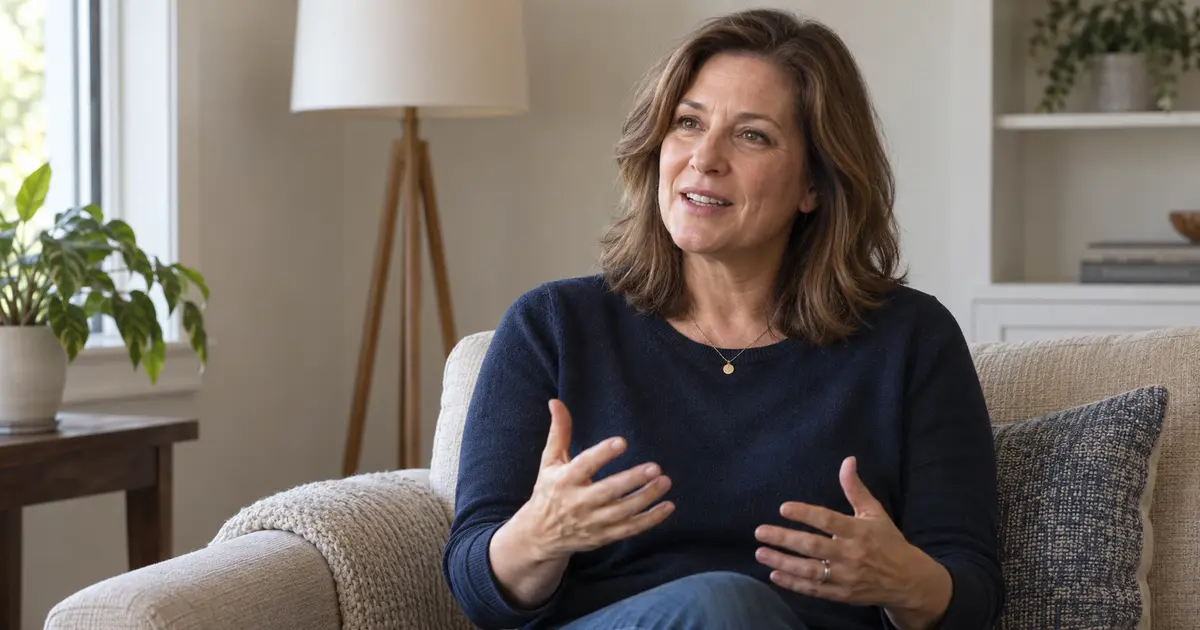
Every family has stories that seem unforgettable—until the person who tells them is no longer there to fill in the details.
A photograph may preserve a face. A family tree may preserve names and dates. But neither can fully capture a person’s voice, humor, expressions or the way one memory leads unexpectedly to another. That is what a life story film is designed to preserve.
What is a life story film?
A life story film is a professionally created documentary about a person, couple or family. It combines a guided interview with photographs, home movies, music, documents and other meaningful materials to tell a cohesive story.
You may also hear the format described as a family legacy film, video biography, family history video or personal documentary. The terminology varies, but the purpose is the same: to preserve the person behind the history.
A finished film can capture details that written records cannot:
- The sound and rhythm of someone’s voice
- The expressions that appear when a favorite memory returns
- Family sayings, humor and personality
- Stories connected to old photographs and keepsakes
- Lessons, values and messages for future generations
How is it different from a recorded interview?
A recorded interview is valuable, even if it is made with a phone at the kitchen table. The most important step is preserving the conversation while you can.
A life story film goes further. Instead of leaving the family with a long, unedited recording, it shapes the strongest memories into a story people will want to watch and share. Thoughtful editing creates structure, removes distractions and gives photographs or home movies a meaningful place in the narrative.
The result should still feel honest. It is not about turning someone into a character they were not. It is about revealing who they are with clarity, warmth and respect.
What does a life story film include?
A guided conversation
Most people do not know how to summarize an entire life on command. A skilled interviewer makes the conversation feel natural, asks useful follow-up questions and notices the moments worth exploring.
Family photographs and personal materials
Childhood photographs, wedding portraits, letters, newspaper clippings, recipes, military records and home movies can provide context. More importantly, they help the storyteller remember the people and experiences behind the images.
A carefully shaped narrative
A good film is not simply a chronological list of events. It looks for themes: resilience, family, work, faith, love, change, humor or the choices that shaped a life. Those themes give the film emotional direction.
Professional post-production
Editing, sound work, color correction, music and image restoration help the materials feel like parts of one story. These choices should support the person on screen rather than overwhelm them.
Who should consider creating one?
A life story film can be created for a parent, grandparent, couple, retiring colleague, veteran, family business founder or anyone whose experiences deserve to be preserved.
Families often begin around a milestone:
- A significant birthday or anniversary
- A retirement or family reunion
- The arrival of a new generation
- A major health diagnosis
- A renewed interest in genealogy or family history
But a milestone is not required. Ordinary life is full of material worth keeping. The childhood prank, first job, difficult move, family tradition or lesson learned the hard way may someday become the story everyone wishes they had recorded.
Can a life story film be created remotely?
Yes. A guided remote interview allows family members to participate from home without coordinating a production crew or asking an older relative to travel. With a little preparation, a quiet room and the right recording process, a remote conversation can feel personal and relaxed.
Remote production also makes it possible to work with families who live in different states or countries. Photographs and other materials can be gathered digitally, organized and incorporated during editing.
When is the right time to begin?
The honest answer is earlier than most families think.
People often wait because they believe there will be a better occasion or more time later. Yet memory changes, photographs become separated from their stories and family members may lose the energy or ability to participate.
You do not need a perfect archive before beginning. Start with the person. The photographs can be organized, scanned or restored as the story takes shape.
A story future generations can meet
A life story film is not only a record of what happened. It gives children and grandchildren a way to encounter someone’s presence—to hear the laugh, see the gestures and understand the experiences that shaped their family.
That is what transforms a collection of memories into a family heirloom.
Preserve the person behind the photographs
EverStory Films creates cinematic family story films through guided remote interviews, personal photographs and thoughtful documentary editing.